
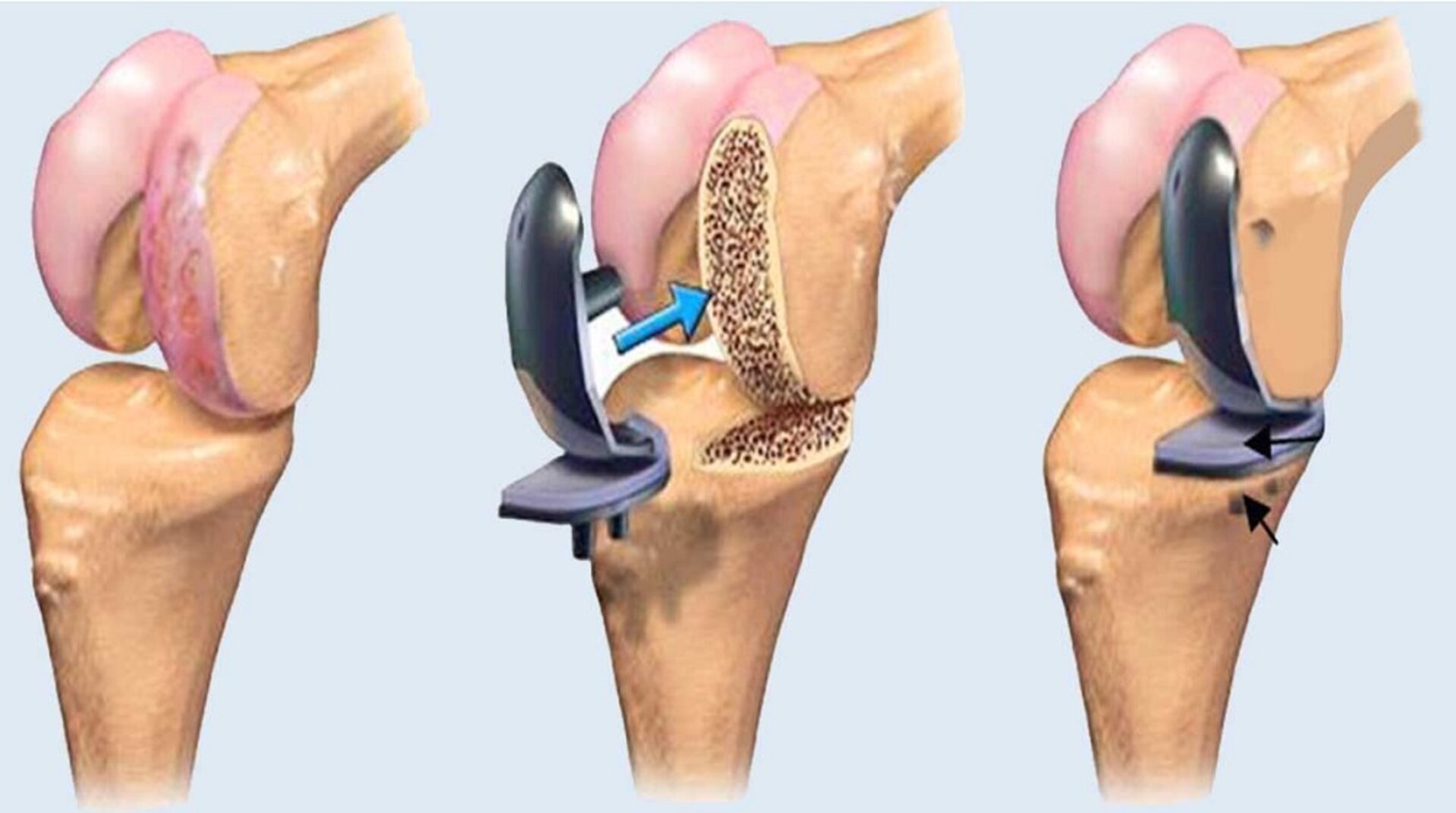
Joint replacement surgery, also known as arthroplasty, is a procedure where a damaged or diseased joint is replaced with an artificial joint (prosthesis) made of metal, plastic, or ceramic.
Here's a more detailed explanation:
What it is:
Joint replacement surgery involves removing the damaged or diseased parts of a joint (like cartilage and bone) and replacing them with an artificial joint (prosthesis).
Why it's done:
It's typically performed to relieve severe pain and improve function in joints affected by conditions like arthritis, injuries, or other joint problems.
Commonly replaced joints:
Hips and knees are the most frequently replaced joints, but other joints like shoulders, fingers, ankles, and elbows can also be replaced.
Types of arthroplasty:
Total joint replacement:
The entire joint is replaced.
Partial joint replacement
Only some parts of the joint are replaced.
Materials used:
Prostheses are typically made of metal, plastic, or ceramic, or a combination of these materials.
Procedure:
During surgery, the surgeon removes the damaged cartilage and bone, then positions the new artificial joint (prosthesis).
Recovery:
Recovery time varies depending on the type of joint replaced and the individual's health, but it generally involves physical therapy and rehabilitation to regain strength and mobility.
Success:
Joint replacement surgery is generally considered a safe and effective procedure, with a high success rate in relieving pain and improving function.